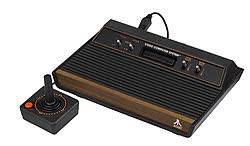
Arcades, Consoles, and the Birth of a Medium
Video games began as computer science experiments and engineering curiosities before they found their way into arcades. Simple but addictive titles, often built around score chasing and reflexes, exploded in popularity. When home consoles arrived, families could play together without leaving the couch, and an entire generation formed memories around platformers, adventures, and puzzle games. Throughout the late twentieth century, each hardware wave introduced new capabilities—more colors, more buttons, battery saves, 3D worlds—expanding the vocabulary of what a “game” could be. At the same time, personal computers opened doors for strategy and simulation, giving players creative control and deep systems to master.
History isn’t just a list of devices; it’s a story about design breakthroughs and community enthusiasm. The shift from cartridges to discs and then to digital stores changed how players discover, purchase, and preserve games. Indie developers leveraged accessible tools to share personal, experimental ideas that stood beside blockbuster releases. Meanwhile, the internet connected players across continents, enabling co‑op adventures, competitive ladders, and thriving mod scenes. These overlapping threads—technology, artistry, and community—laid the groundwork for today’s vast and varied gaming landscape.